BitMEX co-founder Arthur Hayes executed a sizable on-chain transfer, acquiring 1.85 million LDO tokens from a Binance hot wallet for roughly $1.03 million, according to Onchain Lense’s report on March 15, 2025. The trade settled on the Ethereum mainnet at an approximate per-token price of $0.556. After the report, LDO’s price moved up by about 4–6% and trading volume spiked by more than 200% versus the weekly average.
Arthur Hayes' Strategic LDO Purchase
Blockchain records show the LDO tokens moved from a Binance hot wallet to a wallet associated with Arthur Hayes, with the transfer and settlement occurring during normal trading hours. This transaction stands out because Hayes is a well-known former exchange executive and his wallet activity is closely watched by market participants.
Timing and context
The purchase was reported publicly by Onchain Lense on March 15, 2025, which triggered immediate market attention and discussion among traders. Hayes’s on-chain moves have been referenced alongside other large transfers in the market; for example, observers have tracked his past ETH activity such as the Hayes ETH transfer, underscoring why this LDO buy drew commentary.
Understanding Lido DAO and the LDO Token
Lido Finance is a decentralized liquid staking protocol for Ethereum that lets users stake ETH without running validator infrastructure or locking assets directly. In return, stakers receive stETH, a liquid token that represents staked ETH plus accrued rewards, while the protocol pools funds and delegates staking to node operators.
The LDO token functions as Lido DAO’s governance token: holders vote on protocol parameters, treasury allocation and upgrades that affect fee shares and other economic levers. The wider market for liquid staking derivatives has grown substantially — Messari reports the total value surpassed $50 billion in early 2025 — which frames why governance tokens like LDO are of interest to investors.
Market Impact and Analysis
Following the Onchain Lense report, LDO’s price rose roughly 4–6% over the next 24 hours while trading volume jumped more than 200% relative to the weekly average. This kind of reaction reflects heightened attention to large, identifiable purchases and the liquidity dynamics around governance tokens.
Large on-chain deposits and exchange flows can affect short-term liquidity and sentiment; similar large staking or exchange movements — for example, major Beacon deposits on Binance — are tracked for their market impact and can amplify volume and price moves in liquid staking assets like LDO. For lasting price direction, however, observers still look to protocol fundamentals and governance outcomes rather than a single transaction.
Broader Context: Ethereum Staking and DeFi in 2025
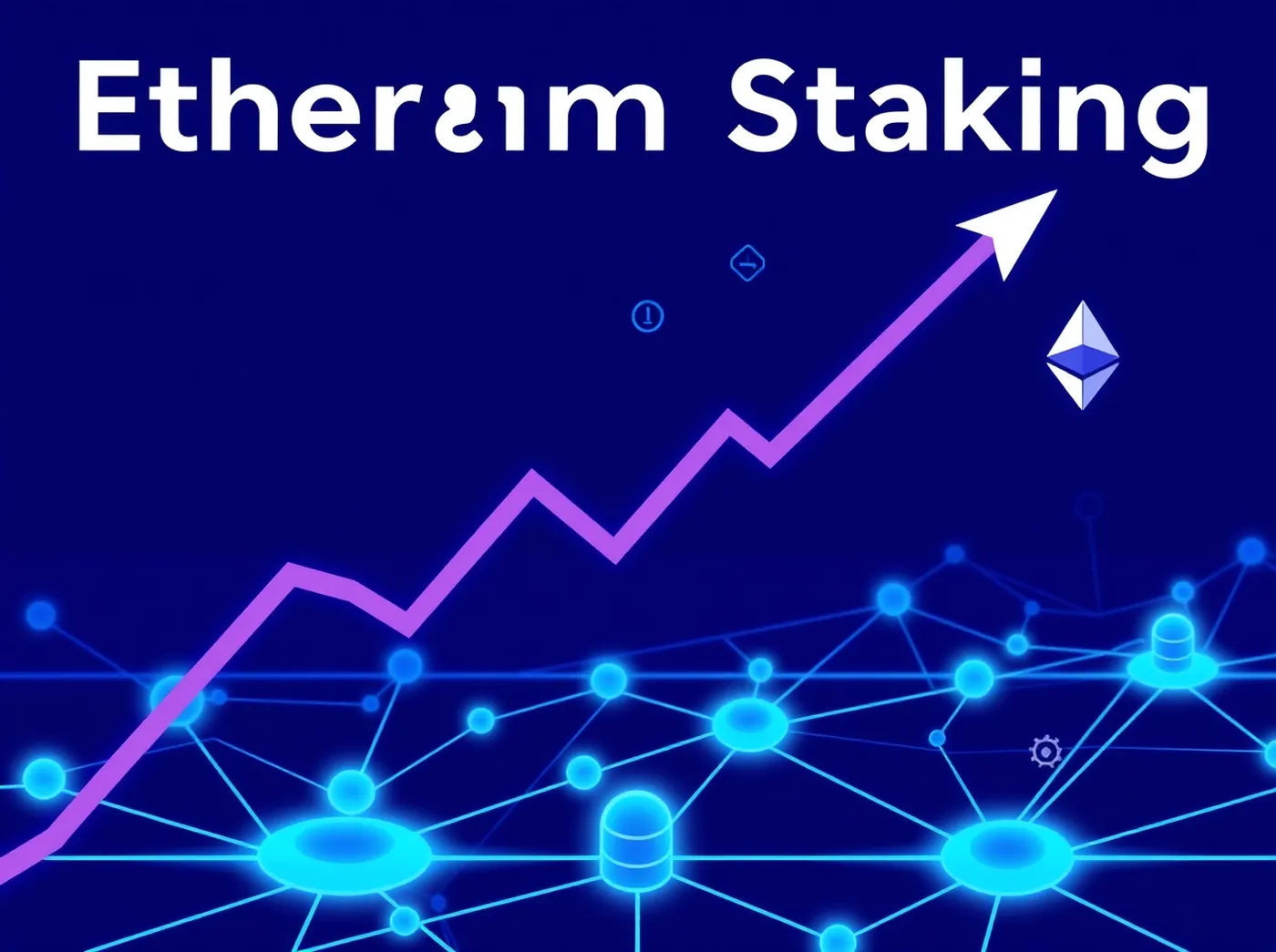
After Ethereum’s transition to proof-of-stake, liquid staking grew as a way to earn staking rewards without locking liquidity, and multiple protocols now compete in this space. Lido remains a major participant, but other services and wrapped-stake tokens exist across the market, creating choices for users and capital allocators.
Network scalability upgrades and Layer 2 adoption influence gas costs and block-space demand, which in turn affect validator rewards and the economics of staking derivatives. Within that evolving environment, governance decisions at Lido DAO — on fees, decentralization and expansion — will shape LDO’s role as a governance and economic instrument.
Why this matters
For a miner running between 1 and 1,000 devices in Russia, this purchase is primarily a market signal rather than a direct operational change. The trade shows that sophisticated market participants are allocating capital to staking-related governance tokens, which can influence short-term price and volume dynamics for LDO and related assets.
That said, unless you hold LDO, stETH, or other staking derivatives, Hayes’s purchase does not change the mechanics of mining or device operation. It may, however, affect token prices if you trade or consider swapping mined rewards into staking products or governance tokens in the near term.
What to do?
- Monitor on-chain activity: Use tools like Onchain Lense or Etherscan to follow large transfers and exchange flows before reacting to price moves.
- Avoid knee-jerk trades: A single high-profile purchase can drive short-term volatility; base decisions on your cost structure and holding horizon rather than short-term headlines.
- Consider liquidity and fees: If you plan to move mined rewards into staking derivatives or governance tokens, check liquidity and fee mechanics so you can exit without excessive slippage.
- Track protocol governance if you hold LDO: Voting outcomes on fees or treasury use can change token economics, so follow DAO proposals and announcements.
For further reading on large market movements and staking deposits, see analysis of recent exchange and staking flows such as the Binance Beacon Deposit. These pieces provide additional context on how big transfers interact with staking markets.