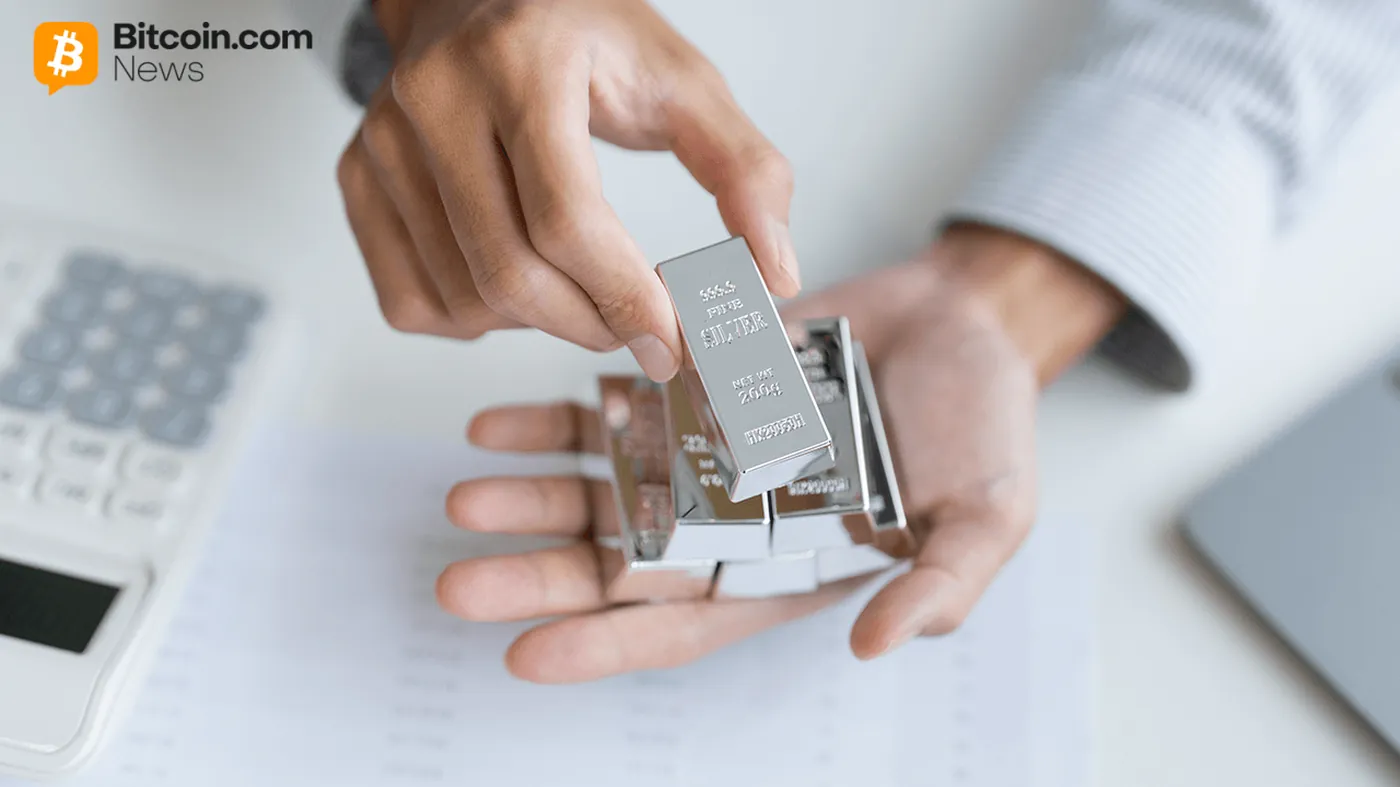
In 2025, gold and silver showed unusually strong performance: gold prices rose from $2,585 per ounce in January to $4,524 by December 23, marking a 75% increase, while silver climbed from $28.51 to $72.66 per ounce — a 155% gain over the year. These results were driven by a combination of factors, primarily central banks accumulating gold reserves, increased industrial demand for silver, and overall macroeconomic uncertainty.
Reasons Behind Gold Price Growth in 2025
One of the key drivers of gold’s rise was the systematic accumulation of gold reserves by central banks: purchasing physical gold ensured a steady baseline demand, independent of short-term market fluctuations. Additionally, low real interest rates and expectations of monetary policy changes supported interest in gold as a safe-haven asset, especially during periods of geopolitical tension.
The price increase was accompanied by growing investment demand for exchange-traded and physical products, as well as higher demand for bars and coins outside North America. As a result, gold showed a relatively steady upward trajectory, with its nominal highs reflecting a combination of financial and official purchases; more details on record highs can be found in the article about the record gold price.
Factors Influencing Silver Price Growth
Silver experienced an even sharper rise due to its dual role as both an investment metal and a crucial industrial component. Demand from manufacturers of solar panels, electric vehicles, data centers, and electronics increased significantly, putting pressure on physical inventories and reducing available supply.
At the same time, declining stockpiles and higher leasing rates for the metal signaled a physical shortage rather than just speculative interest. These factors made silver prices more sensitive to rising industrial consumption; more details on silver’s movement in December are available in the article why silver is rising.
Comparing Gold and Silver Price Dynamics
In percentage terms, silver outpaced gold: +155% versus +75%, explained by the combination of investment and strong industrial demand. Gold rose more steadily due to official and investment purchases, while silver reacted more sharply to increased industrial consumption and inventory reductions.
Investment flows combined with physical demand and structural deficits shaped the price trajectories of both metals throughout the year, and these forces continue to influence market expectations — see the 2026 forecast for insights on next year’s trends.
Forecasts for 2026
Central bank demand is expected to remain a key support factor for gold, while industrial consumption will be decisive for silver. However, potential economic slowdowns could reduce industrial demand, adding uncertainty to metal price dynamics.
Overall, structural factors — reserve diversification, transition to energy technologies, and growing electronics consumption — will continue to support interest in both metals, although short-term volatility remains possible.
Why This Matters
For miners, the direct impact of rising gold and silver prices is usually limited, as these events are unrelated to cryptocurrency mining. Nevertheless, indirect effects are possible: changes in investment interest and overall macroeconomic uncertainty can influence liquidity and demand for equipment, as well as banks’ and investors’ risk attitudes.
Moreover, the increased industrial demand for silver highlights that metals continue to play a role in technology supply chains, which should be considered when planning equipment purchases or asset sales, especially if part of your capital is held in commodity or physical assets.
What to Do?
- Monitor news on gold reserve accumulation and monetary policy changes — this helps understand the baseline demand for gold.
- Track physical inventory levels and industrial demand reports for silver if you hold metal-related positions.
- Diversify risks: avoid holding all capital in one asset and consider metal volatility when planning farm expenses.
- Plan equipment purchases with liquidity buffers to avoid pressure during periods of high market volatility.
- Use reliable price sources and inventory data to make decisions based on facts rather than emotions.