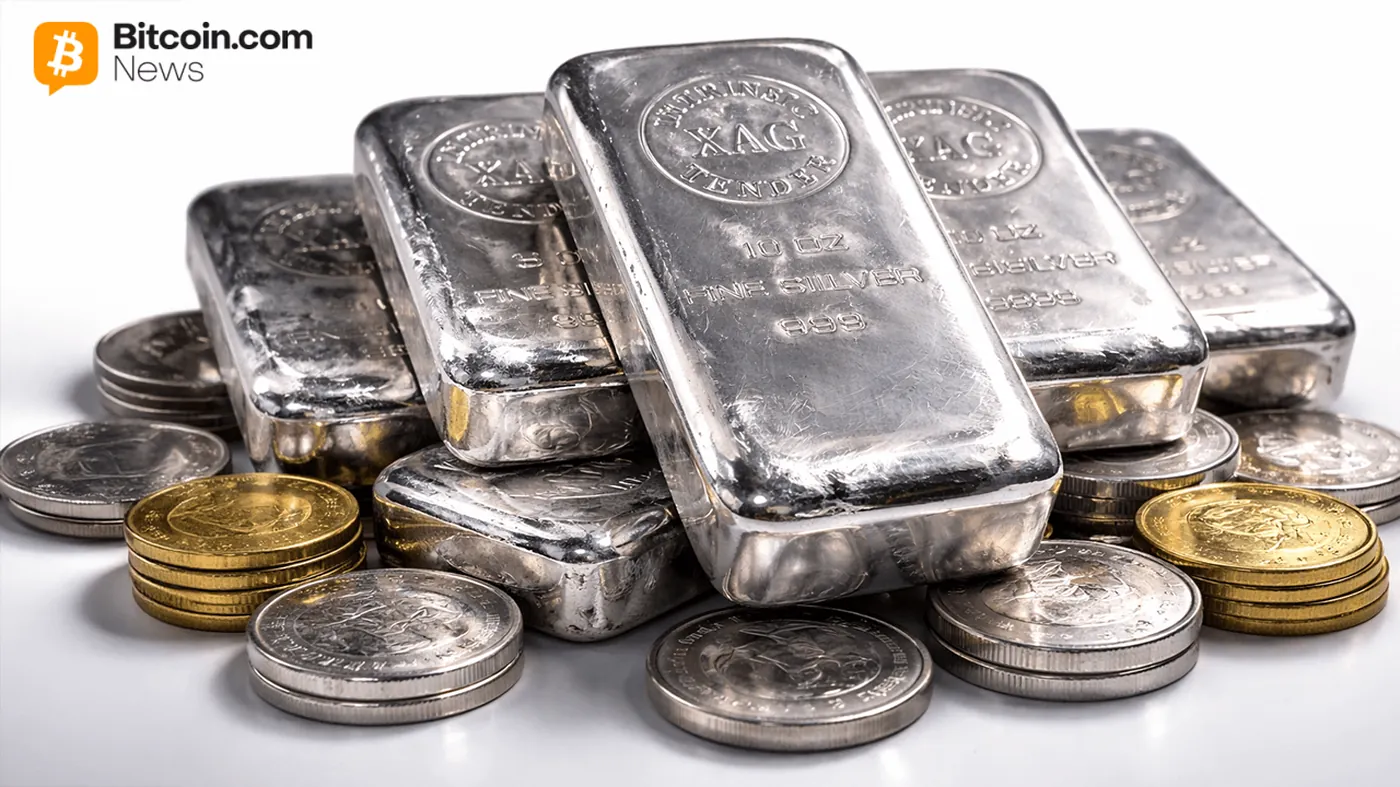
At the end of December, CME Group raised margin requirements for silver futures: initial deposits for the front-month contract increased from $22,000 to $25,000, about 13.7%, with the change taking effect after the close of trading on December 29. Meanwhile, the silver spot price rose approximately 48% over the past 30 days, reaching nearly $83 per ounce, drawing increased attention to the exchange's measures. This article explores why CME took this step, how the market reacted, and what miners should practically know.
Silver Price Rally in 2025
The silver rally has been one of the most notable moves this year: the metal gained over 150% year-to-date, with December seeing an acceleration resulting in a roughly 48% monthly jump and prices near $83 per ounce. This rapid rise was accompanied by widening daily trading ranges and reduced liquidity during the holiday season, intensifying market volatility. For a detailed analysis of causes and dynamics, see the article on why silver prices are rising, which lists factors affecting supply and demand.
CME Margin Requirement Increase
The exchange explained its decision as a standard risk management measure: as volatility rises, margin requirements increase to protect the clearinghouse from defaults. In this case, initial margins were raised from $22,000 to $25,000 per contract, with maintenance margin requirements also increased. Similar notices were issued for other metals. For traders, these changes mean leverage becomes more expensive, and the risk of forced liquidations rises amid heightened volatility.
Market Reaction and Manipulation Allegations
The margin hike was perceived by some market participants as intervention: critics argue that unexpected requirements during a rally force leveraged longs to liquidate positions, cooling prices. These claims reference historical episodes, including a series of rapid margin increases in 2011 when CME raised margins up to five times in nine days, as well as echoes of the 1980 Hunt brothers' saga. Discussions mix references to volatility and the exchange's risk management role; an overview of market reaction and price behavior amid high fluctuations can be found in the article on silver and bitcoin price volatility.
Fundamental Factors in the Silver Market
Beyond futures history, silver has real supply and demand drivers: price growth involves industrial demand from sectors like solar panel manufacturing, electronics, and electric vehicles, alongside a shortage of available physical metal. Even if margin measures temporarily restrain the rally, fundamental deficits and premiums on physical silver can restore price pressure after market stabilization. To assess prospects and scenarios, it’s useful to consult current gold and silver price forecasts.
Why This Matters
If you mine and operate from one to a thousand devices in Russia, the main impact of such news is on metal price volatility and speculative instruments, not on your daily operations. Margin increases primarily affect traders using leverage in futures, while physical holders and industrial consumers experience price pressure differently. However, sharp market moves can reduce liquidity and cause short-term price pullbacks—important considerations when deciding to sell or hold assets.
What to Do?
Practical steps for miners aiming to minimize risks and avoid margin noise influence:
- Monitor reliable exchange notifications: check CME announcements and margin change news to anticipate potential cash requirements.
- Avoid excessive leverage: don’t use credit futures positions without a clear margin and liquidity management strategy.
- Plan cash reserves: keep funds ready to cover possible margin calls or reduce exposure during high volatility.
- Focus on operational costs: optimizing energy consumption and equipment maintenance helps endure periods of price fluctuations.