An address poisoning attack is a type of fraud where attackers create wallets that visually resemble the victim's real address to deceive them. This is done using vanity address generators that produce addresses sharing the same first and last characters as the genuine recipient. In one well-known case, the victim transferred nearly $50 million to a fake address—a devastating outcome for the owner of the funds.
What Is an Address Poisoning Attack?
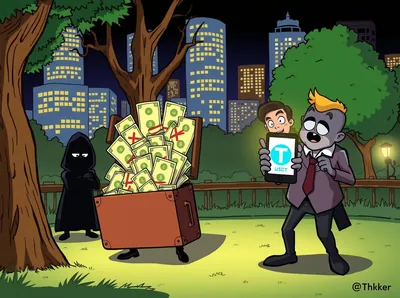
The essence of the attack is address substitution, relying on human error when copying or selecting an address for transfer. Scammers generate an address similar to the victim's and place it in the victim's transaction history by sending a small, seemingly insignificant transaction. Later, when the user copies an address from their history for a large transfer, they might accidentally select the fake address and send funds to the scammer.
This scheme does not exploit blockchain vulnerabilities per se but takes advantage of user behavior when working with wallets. A detailed analysis of a major case is described in the article on address substitution fraud, where the loss was enormous.
How Does an Address Poisoning Attack Work?
The typical scammer workflow starts with creating numerous addresses using a vanity generator and selecting those that visually resemble the victim's address. The attacker then sends a small transaction to the chosen fake address so it appears in the user's incoming payment history. Afterward, the scammer waits for the victim to send a large amount and accidentally copy the fake address from their history.
The small transaction plays a key role: it makes the fake address "visible," increasing the chance of human error. Victims are those who manually copy addresses for one-time large transfers and do not use trusted address book entries.
Is It Possible to Recover Funds After an Attack?
In practice, recovering stolen funds is extremely difficult: blockchain transactions are irreversible by nature, and there is no central authority to cancel a transfer. In the described case, the victim attempted to recover assets, but only after some funds had passed through services designed to obscure traces.
If the attacker sends stolen funds through privacy mixers like Tornado Cash, tracking and identifying recipients becomes practically impossible for most parties. This increases the finality of the theft and reduces the chances of fund recovery.
How to Protect Yourself from Address Poisoning Attacks?
You can protect yourself with simple, practical measures that don't require deep technical knowledge. First, always verify the full address before sending and don't rely only on the beginning or end of the string; saved address book entries reduce the risk of copying errors. Also, ignore unexpected small incoming transactions from unknown addresses—they are a common bait for substitution.
- Always verify the full recipient address before confirming a transfer; if in doubt, compare the address from multiple sources.
- Use your wallet's address book and save verified addresses for repeat transfers.
- Do not interact with small unsolicited transactions and avoid copying such addresses from your history.
- For large transfers, first send a small test amount to the same address and confirm receipt on the recipient's side if possible.
It is important to emphasize: these measures prevent human errors rather than technical hacks, which scammers exploit. In articles about other major thefts, such as the private key leak, the schemes differ but the outcome is the same—irretrievable loss of funds.
Why Is This Important?
If you mine and transfer payouts to wallets or exchanges, even one incorrect address copy can be very costly. For owners of a few to thousands of ASIC miners, losing part of their balance means real income reduction and additional challenges accounting for equipment and electricity costs.
Moreover, recovering funds is rarely possible, so preventive measures are more important than any attempts to reclaim stolen assets. Understanding the attack mechanics helps establish procedures that minimize errors when sending large sums.
What Should You Do?
- Implement a standard address verification procedure: two people or two independent sources confirm before a large transfer.
- Use an address book and hardware wallets for large payments, and double-check addresses multiple times for one-off transactions.
- If you notice a suspicious small transaction in your history, do not copy that address or respond to it; if necessary, clear your display history or export your address list to a secure location.
- Keep records of transfers and test payments to quickly distinguish normal operations from unknown small incoming transactions.
Frequently Asked Questions
Which cryptocurrencies are most vulnerable?
The attack targets user behavior rather than a specific network, so any cryptocurrencies where addresses are copied manually (e.g., Bitcoin, Ethereum, USDT) are potentially vulnerable without protective practices.
Can exchanges or wallets prevent the attack?
Some wallets may display warnings about similar addresses and suggest using an address book, but ultimately the responsibility to verify the address lies with the user sending the transaction.
What should you do if you become a victim?
Immediately document all transfer details and contact the support teams of the platforms involved, but keep in mind that blockchain transactions are irreversible. If funds were sent through mixers like Tornado Cash, chances of recovery are significantly reduced.