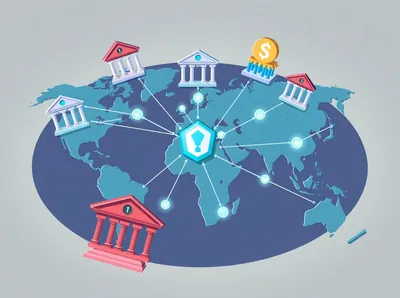
Standard Chartered has launched an innovative tokenized deposit solution that leverages blockchain technology to transform traditional banking deposits. This new approach integrates blockchain to enhance the way deposits are managed and secured.
Introduction to Standard Chartered's Tokenized Deposit Solution
The tokenized deposit solution represents a modern banking product where deposits are converted into digital tokens on a blockchain platform. This integration of blockchain technology plays a central role in ensuring the security and transparency of deposit transactions, setting a new standard in banking services.
How the Tokenized Deposit Solution Works
In this system, customer deposits are tokenized, meaning they are represented as digital tokens on the blockchain. This process allows for a secure and transparent record of deposits, reducing the risks associated with traditional banking methods. The blockchain ledger provides an immutable and verifiable history of transactions, enhancing trust for both customers and the bank.
Benefits of the Tokenized Deposit Solution
The tokenized deposit solution offers multiple advantages. For customers, it means faster transaction processing and increased transparency regarding their deposits. For the bank, it results in operational efficiencies and cost reductions due to streamlined processes. Overall, the solution improves the speed and lowers the cost of transactions compared to conventional deposit systems.
Standard Chartered's Innovation in Blockchain
This solution signifies a bold step by Standard Chartered in adopting blockchain technology within the banking sector. It highlights the bank's commitment to innovation and sets a precedent for future developments in digital banking. The tokenized deposit platform may pave the way for further advancements, potentially reshaping how banking services are delivered.
Why This Matters
For miners and small-scale operators in Russia, understanding innovations like Standard Chartered's tokenized deposit solution is important as it reflects broader trends in financial technology. While this solution does not directly affect cryptocurrency mining, it exemplifies how blockchain is increasingly integrated into mainstream finance, potentially influencing regulatory and operational environments.
What Should You Do?
Stay informed about blockchain developments in banking, as these can impact financial transactions and services you use. Consider how tokenization and blockchain might affect your financial operations or opportunities for integrating similar technologies. Keeping abreast of such innovations can help you adapt to changes and leverage new tools effectively.