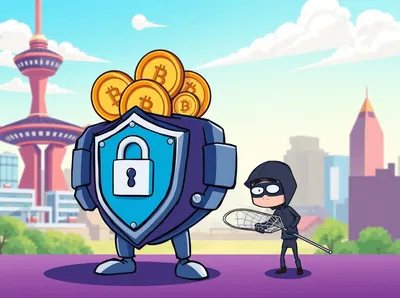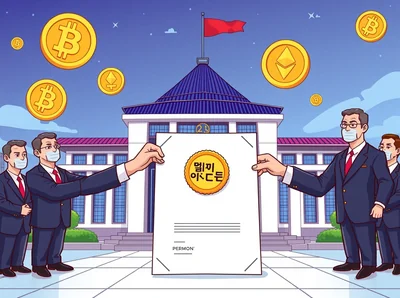
South Korea is preparing a draft law called the Digital Asset Basic Act that would reopen the country to domestic ICOs after a seven‑year ban that began in 2017. The proposal emphasizes mandatory disclosure from issuers and introduces rules that would limit trading of major overseas stablecoins like Tether (USDT) and USD Coin (USDC) unless their issuers localize. Regulators say the measures are not final and the second phase of the act could be finalized and potentially take effect as early as 2025. The main takeaway: the draft aims to move fundraising onshore while giving regulators more control over stablecoins used domestically.
Background: 2017 ban and its consequences
The 2017 prohibition on domestic ICOs responded to widespread fraud and weak investor protections during the early crypto boom. As a result, many promising Korean blockchain projects opted to sell tokens overseas, exploiting regulatory differences to access capital in other jurisdictions. That regulatory arbitrage moved initial sales out of Korea and left local investors trading assets that had not been issued under domestic disclosure rules.
Key provisions of the Digital Asset Basic Act
The draft law, titled the Digital Asset Basic Act, centers on a disclosure-based framework intended to bring fundraising under local oversight. At its core, the proposal would require projects planning domestic ICOs to publish comprehensive information before sale, mirroring basic principles of traditional prospectuses.
- Mandatory disclosure items: project team, underlying technology, planned use of funds, and associated risks.
- Issuers would be required to make these disclosures publicly available to potential domestic investors prior to token sales.
Alongside ICO rules, the draft targets stablecoins. It proposes to ban domestic trading of major overseas stablecoins such as Tether (USDT) and USD Coin (USDC) unless the issuers establish a physical presence in South Korea and comply with local regulations. This localization requirement is intended to give regulators clearer oversight over the stablecoin market.
Stablecoins: implications and market effects
By conditioning domestic trading on issuer localization, the draft could prompt development of Korean-won‑pegged stablecoins and shift liquidity patterns on exchanges. Exchanges and market participants might need to adapt trading pairs and custody arrangements if major overseas stablecoins are restricted without local issuer compliance. At the same time, an abrupt enforcement of localization rules could temporarily affect liquidity for some trading pairs.
Benefits and challenges for industry and regulators
Permitting domestic ICOs under disclosure rules could let Korean startups raise capital at home and retain talent that previously sought foreign listings. Clear onshore rules may increase transparency for domestic investors and reduce the incentive for projects to launch token sales abroad.
However, regulators will face operational challenges: ensuring disclosures are complete and accurate, monitoring compliance, and preventing fraud without unduly stifling innovation. The stablecoin localization rule could also trigger pushback from overseas issuers and create short-term market disruption if applied suddenly.
Timeline, stakeholders and legal process
The Financial Services Commission (FSC) has emphasized that the proposals are not final and remain under discussion with other government agencies. Any draft will undergo further review, possible revisions, and legislative steps before reaching the National Assembly for consideration. The second phase of the Digital Asset Basic Act is expected to be finalized and could potentially take effect as early as 2025, but the timetable is not settled.
Why this matters (short)
For participants in crypto markets, the shift from a blanket ban to a disclosure-based framework signals that South Korea wants fundraising onshore under clearer rules. The localization requirement for major stablecoins could change which dollar‑pegged tokens are available on domestic markets and influence exchange liquidity and listing procedures. Even if you do not trade on Korean platforms, the move reflects a broader regulatory trend toward combining investor protection with controlled market access.
What to do? (practical steps for miners in Russia)
If you operate mining equipment in Russia, this draft law does not directly change mining rules, but the following steps help you stay prepared for indirect effects on the market. First, monitor exchange announcements and token availability if you use Korean platforms for swaps or listings, since stablecoin localization could affect liquidity and trading pairs.
- Check which stablecoins your preferred exchanges support and note any changes to USDT/USDC listings.
- Keep wallets and payout procedures flexible: consider multiple stablecoins or direct fiat options where available.
- Follow FSC statements and reputable coverage about the Digital Asset Basic Act to track final provisions and timelines.
These measures help ensure you can manage payouts and convert mined coins without surprise disruptions, while avoiding reliance on any single stablecoin or exchange affected by the new rules.
Frequently asked questions (short answers)
When could domestic ICOs resume? The changes are part of the draft’s second phase and could take effect as early as 2025, though the timeline is not finalized.
Will USDT and USDC be banned? The draft proposes restricting domestic trading of major overseas stablecoins like Tether (USDT) and USD Coin (USDC) unless their issuers establish a local presence and comply with South Korean rules.
Is the law guaranteed to pass? No. The FSC has said the proposals are not final and the draft must go through further review and legislative processes before becoming law.
For additional background on regulatory steps and institutional changes in South Korea’s crypto sector, see reporting on the FSC permanent unit and coverage of the won-pegged stablecoins timeline.