Tether made a significant attempt to acquire the football club Juventus: the company offered approximately $1.2 billion, but the Agnelli family rejected the offer. Meanwhile, Tether already owns about 10% of the club's shares, and CEO Paolo Ardoino and Chairman Giancarlo Devasini have long publicly identified as Juventus supporters.
Tether's Attempt to Acquire Juventus
Tether's offer attracted attention not only because of the amount but also due to the company's position as a major investor: it has been involved in the club's funding rounds for some time and increased its stake to roughly 10%. The declined offer intensified discussions about the club's future, which, according to sources, has not been profitable for nearly a decade, and placed the Agnelli family before a decision on their future ownership strategy.
An additional factor is the personal interest of Tether's leadership. Paolo Ardoino and Giancarlo Devasini consider themselves longtime Juventus fans, which explains the company's drive for deeper involvement. In a broader context, Tether's move is seen as an indicator that crypto companies are ready to use sports assets to diversify and strengthen their public reputation.
For readers following corporate deals around Tether, it is useful to recall recent acquisitions linked to the company's management — for example, the purchase of Peak Mining, reflecting management's ambition to expand beyond the core stablecoin business.
Cryptocurrency Strategy in Sports
In 2025, Web3 players clearly bet on sports as a channel for mass brand legitimization: instead of narrowly targeted marketing, companies pursue large and high-profile agreements with football clubs and tournaments. Sponsorship provides direct access to millions of viewers and allows associating the brand with values and emotions familiar to a broad audience.
Simultaneously, this is a way to quickly gain visibility and trust, similar to how major non-financial brands historically used football to enter new markets. For Web3 companies, this approach serves as a tool for accelerated penetration into mass culture and increased brand recognition.
Cryptocurrency in Formula 1
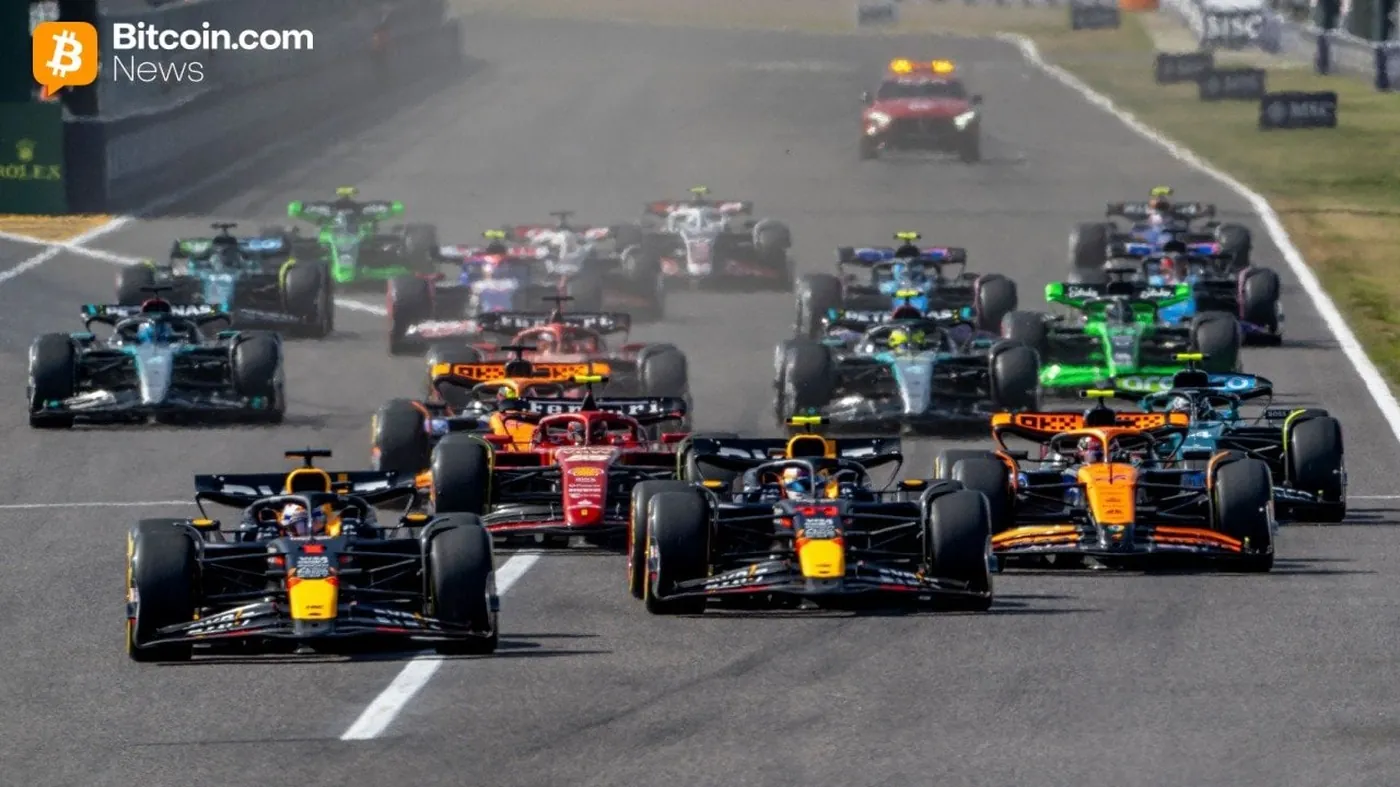
Besides football, Formula 1 became one of the key areas for crypto partners in 2025. Coinbase secured a notable partnership with the Aston Martin Aramco F1 Team and utilized blockchain solutions for fan initiatives, while Gate.io and OKX took prominent roles with Red Bull Racing and McLaren, respectively.
These deals were accompanied by active branding on cars and gear, as well as initiatives to engage fans through digital products. This sports year was especially notable after Lando Norris won the 2025 World Championship title, further boosting the visibility of McLaren's partners.
Other Significant Partnerships
- Kraken expanded its presence in football through sponsorships of Atlético Madrid and RB Leipzig.
- Bitpanda strengthened its partnership with AC Milan, increasing visibility in Italian football.
- Binance sponsors the Africa Cup of Nations, while Crypto.com secured naming rights for the Staples Center.
- Coinbase continues to bolster its position in North America, including a partnership with the Toronto Argonauts.
Why This Matters
For the industry, Tether's attempt to buy Juventus became a marker: crypto companies are no longer limited to advertising; they are ready to invest significant capital in assets with high public resonance. This changes the perception of the sector and broadens its influence on traditional markets, including sports and entertainment.
For miners in Russia, this does not necessarily mean a direct operational change but highlights a trend: major players are allocating resources toward mass recognition, meaning infrastructure and regulatory discussions around the crypto sector may become more prominent and politically significant.
What to Do?
If you operate between 1 and 1,000 miners, focus on practical steps to protect and optimize your activities. First, assess the resilience of your operations against external risks related to regulatory changes and public attention to the crypto sector.
- Review legal and tax aspects under local conditions, especially if you plan to expand capacity.
- Ensure power backup and equipment monitoring to avoid downtime amid rising demand and potential local restrictions.
- Maintain financial and operational discipline: document expenses and revenues, and monitor costs for electricity and cooling.
Overall, stay informed about major partnerships and deals—they influence public perception of the crypto market and can indirectly affect service availability, tariffs, and regulatory decisions in your country.
Frequently Asked Questions
Why is Tether trying to buy Juventus? The company seeks deeper involvement in the club after increasing its stake and views sports assets as part of a strategy to diversify and strengthen its public image.
Why did the Agnelli family reject the offer? The Agnelli family declined the nearly $1.2 billion offer; reports indicate they intend to maintain control and consider the club's financial challenges.
How much of Juventus does Tether already own? Tether owns approximately 10% of the club's shares after participating in several investment rounds.