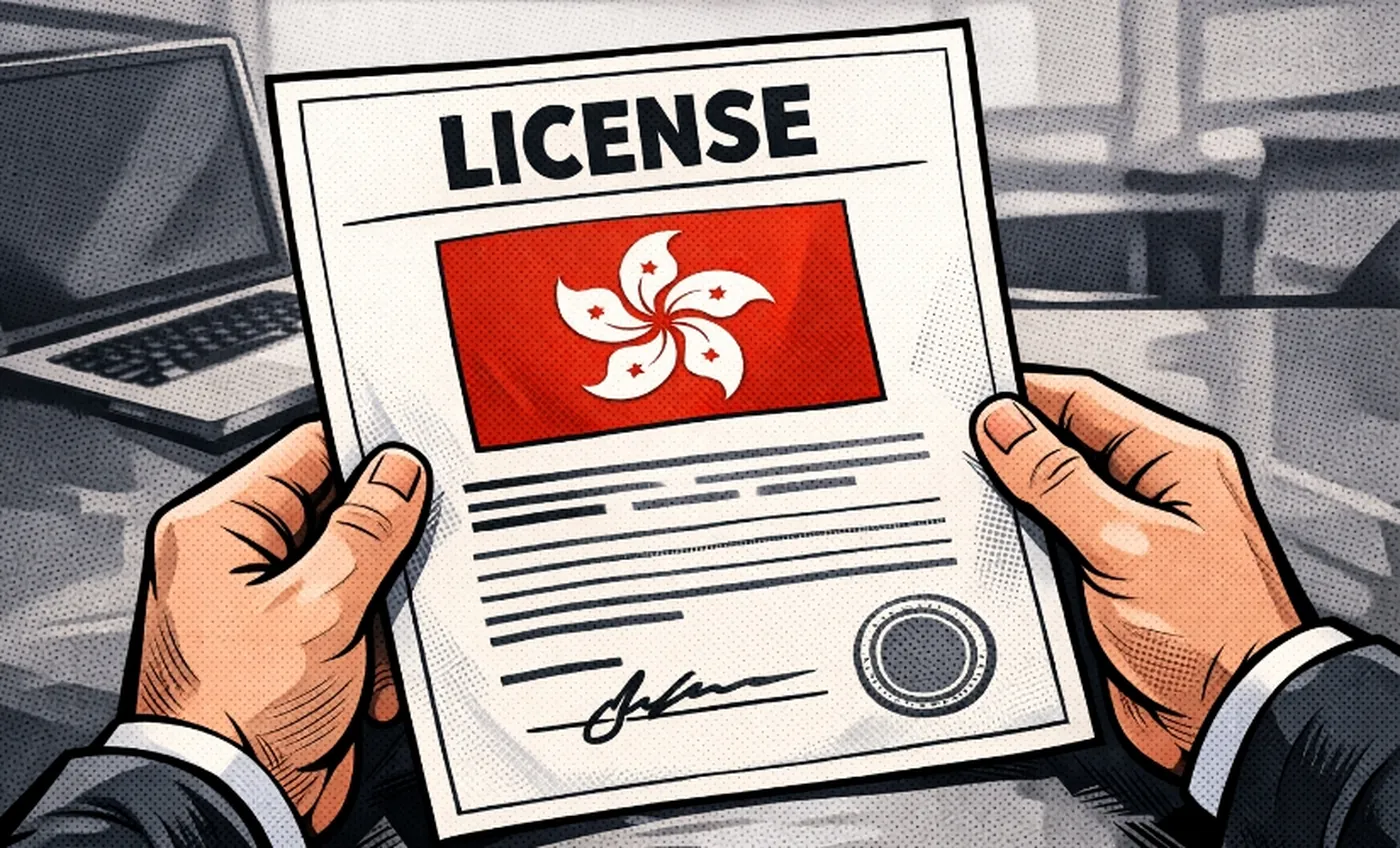
Hong Kong authorities have moved from consultations to concrete regulations: a mandatory licensing regime has been introduced for specialized dealers and custodians. The new system is being developed jointly by the Financial Services and Treasury Bureau and the Securities and Futures Commission (SFC) to create a more transparent and reliable regulatory framework for digital assets.
New Licensing Rules for Cryptocurrency Dealers
Regulators have officially stated that the licensing regime applies to dealers and custodians working with digital assets. The focus is on transparency and reliability of the legal environment, as reflected in joint statements from the Financial Services and Treasury Bureau and the SFC.
From Consultations to Legislation
Regulatory work continued beyond the consultation phase — resulting in legislation that requires specialized market participants to obtain licenses. Simultaneously, a document regulating the licensing of cryptocurrency advisors and custodians is under discussion, expanding the scope of the regulatory initiative.
Stablecoin Regulation and Its Impact
In early 2025, Hong Kong’s Stablecoin Regulation came into force, establishing additional requirements for issuers of such assets. As part of this policy, licensing of trading platforms was also declared a mandatory condition for market operation.
More details about the rules related to stablecoins can be found in the article on stablecoin licensing, which compiles the requirements and timelines for implementing specific provisions.
Current Licensing Situation
The Securities and Futures Commission has already issued 11 licenses to specialized market participants, but at the same time, a large number of applications were rejected. This indicates a rather strict approach by the regulator in selecting candidates and monitoring compliance.
Meanwhile, authorities continue to pilot tokenization projects and other financial innovations, maintaining the intention to balance innovation with oversight.
Statements from SFC Head Julia Leung
SFC Chair Julia Leung emphasized that developing the regulatory framework aims to create a safe and transparent environment for working with digital assets. Her statements highlight the regulator’s commitment to structured and controlled market development.
Additionally, the discussed bill includes new anti-money laundering requirements, as well as mechanisms defining the regulator’s authority and potential sanctions for abuses.
Why This Matters
If you use Hong Kong trading platforms or custodial services, the new rules mean these services must operate under a license and comply with additional requirements, including stablecoin regulations. This affects the list of available platforms and documentation requirements when interacting with them.
The SFC’s strict approach and the number of rejected applications show that some players may not meet regulatory standards, while remaining participants will be required to adhere to new transparency and anti-money laundering standards.
What to Do?
For a miner with 1–1000 devices living and mining in Russia, the main practical steps are simple and concrete. First, check the licensing status of the exchanges and platforms you use: trading platforms in Hong Kong are now required to have a license.
Second, prioritize services with clear registration and publicly available information about licenses and anti-money laundering measures. Regulatory documents and public statements help assess the provider’s level of control.
Third, keep and organize your transaction and deposit records, as the bill includes enhanced AML requirements, and when working with licensed services, you may be asked for additional confirmations.
If you need details about licensing requirements and practices, it is useful to review the material on the impact of legislation on compliance with the anti-money laundering law.