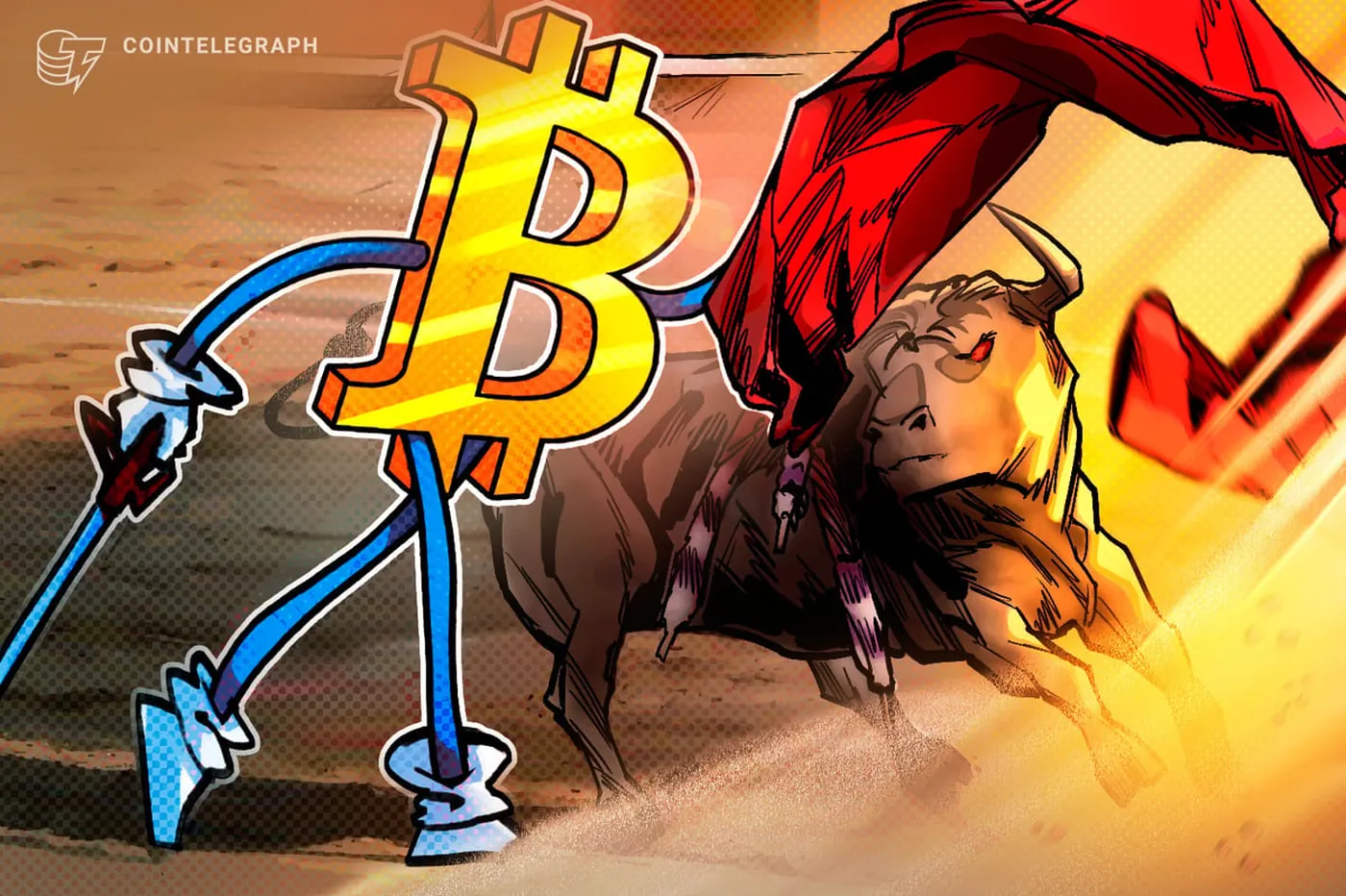
In 2025, the debate over whether Bitcoin's traditional four-year cycle remains intact has intensified: analysts are split—some claim it has ended, while others insist it continues. The main arguments for a "break" involve the arrival of institutional ETFs, regulatory policy changes, and steady institutional demand, which some believe have smoothed out the typical post-peak corrections.
Introduction to Bitcoin's 4-Year Cycle
The four-year cycle is traditionally linked to the halving event—a process that cuts miner rewards and reduces the influx of new coins. Historically, this has aligned with accumulation phases, strong post-halving price surges, and subsequent corrections with prolonged bear markets. In 2025, some market participants see current price behavior deviating from this pattern, while others note that price action still fits the classic cycle logic.
Analysts' Views on the Cycle Breaking
Nick Rak, director of LVRG Research, stated that the halving cycle began to falter in 2025, explaining this by sustained institutional demand—via ETFs and corporate treasuries—which smoothed the expected post-peak crash and reduced volatility compared to previous cycles. This view is supported by other industry figures who highlight the role of major players in altering market dynamics.
Supporting the notion of change are forecasts from major institutions: Grayscale predicted a new all-time high in the first half of 2026, while Geoffrey Kendrick of Standard Chartered declared that the cycle theory "no longer applies" and set a target of $150,000 by the end of 2026. However, expert opinions vary, and the discussion remains active.
Arguments for the Cycle's Continuation
The opposing viewpoint emphasizes that the cycle remains relevant to the market. Analyst Rekt Capital continues to believe the four-year cycle is intact, noting that any changes might represent an "upgrade" rather than a final break. This suggests that the fundamental halving logic still influences price behavior and market expectations.
Additionally, Markus Thielen from 10x Research stated that Bitcoin entered a bear market in late October 2025, while Stock-to-Flow creator PlanB explained a significant portion of the sell-offs by psychological factors: "OGs" after 2021 and fans' expectations of a bear market two years after the halving based on the four-year cycle.
Factors Influencing Bitcoin's Cycle
Proponents of the cycle break highlight several key factors: sustained institutional demand through ETFs, changes in corporate treasury behavior, and regulatory relaxations that together may reduce the classic post-peak price corrections. These factors act simultaneously, altering liquidity distribution and market volatility.
Conversely, supporters of the cycle's persistence point out that the core scarcity mechanisms tied to the halving remain effective and continue to shape long-term market expectations. As a result, both positions rely on observed phenomena in 2025 interpreted differently.
Future Outlook
Market forecasts diverge: some institutions and analysts expect recovery and new highs in 2026, while others note the start of a bear phase and believe the cycle has changed. This debate influences strategies of large holders and traders, while long-term models remain a subject of industry dispute.
For a deeper understanding of policy and liquidity's role in the cycle, read the article on policy and liquidity, and for working with on-chain data, see the piece on on-chain flows and macro factors. A year-end summary and forecasts are compiled in the review year-end results and main forecasts.
Why This Matters
For miners operating from one to a thousand devices, understanding the cycle debate is crucial for operational planning and tax strategy: if the cycle shifts due to institutional demand and regulatory changes, volatility and correction patterns may differ from the usual. This impacts decisions on selling accumulated coins, reinvesting in equipment, and risk management.
Even if cycle changes do not directly affect your daily mining operations, they can alter average profitability and BTC storage strategies for large holders, indirectly influencing price and liquidity conditions you work with.
What to Do?
If you run a small farm or a few ASIC miners, focus on controlling expenses: review tariff plans, assess equipment efficiency, and maintain reserves for prolonged price drops. This helps preserve profitability even if the market remains volatile.
For miners with hundreds or thousands of devices, consider diversification: convert part of your revenue into fiat or other assets to smooth price fluctuations, and monitor regulatory changes and institutional flows—they can affect conditions for selling large BTC volumes on the market.
In Brief
In 2025, opinions on the fate of the four-year cycle diverged: some analysts see it breaking due to institutional demand and regulatory shifts, while others believe the fundamental cycle remains intact. Miners' decisions depend on their scale and readiness for changing volatility.